Outdoor Solar Lights
Outdoor Solar Lights Explained
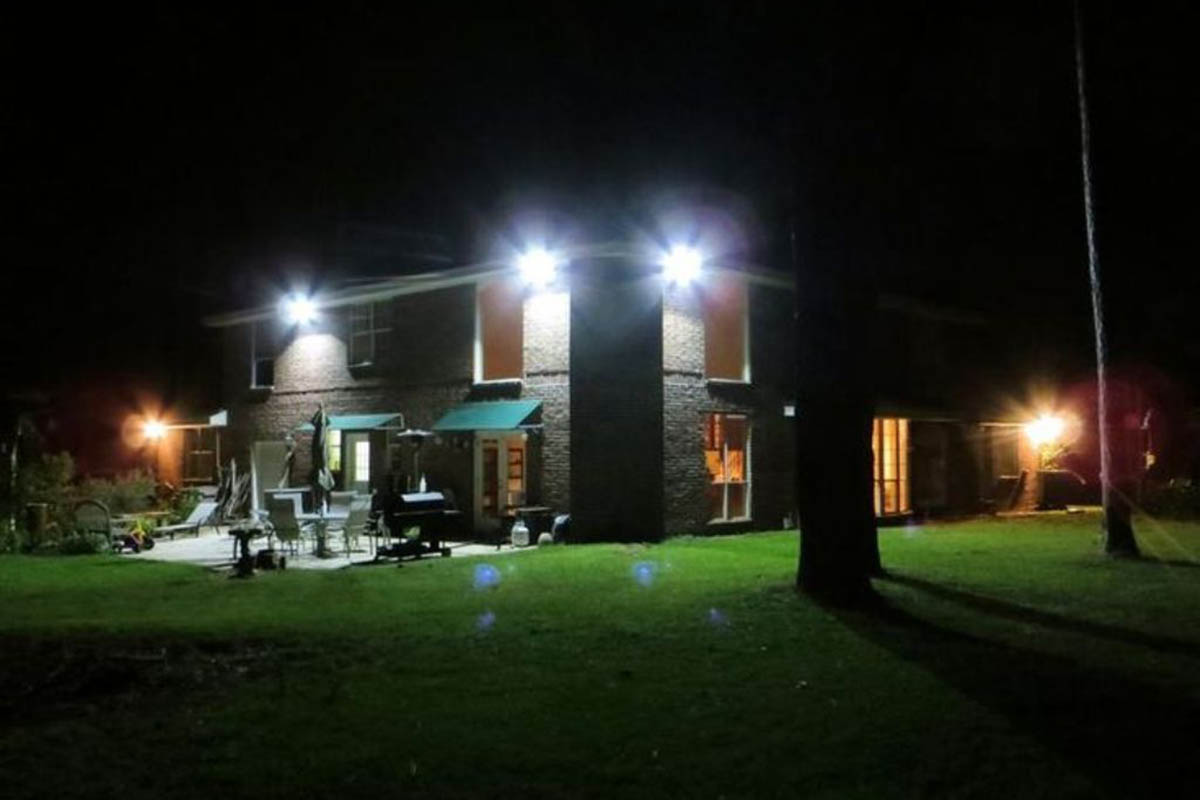
So that the batteries to keep a constant charge, the solar light fixture should be in a position that meets full sunshine for almost of the daylight. If it just gets partial sunlight, because it’s barred by trees or other construction, or because your area has much of cloudy conditions, the batteries will run out earlier, and your fixture will supply light for a lower amount of time. Most outdoor solar lights fixtures own a backup power system which applies rechargeable batteries. Solar lights fixtures which apply a small amount of electrical energy frequently apply small AA Ni-Cad or NiMh batteries. But more strong solar lights fixtures (like head lights) apply a covered lead acid battery.
Photo detectors that automatically evaluate light degrees (like the kind that tells your photographic camera when to apply its flash) are constructed into the solar lights fixtures. They monitor light degrees and turn the fixture off at morning and on at nightfall. But get sure there are no artificial light sources (like a street lights or head light) that may contribute a wrong reading and forbid the light from turning on.
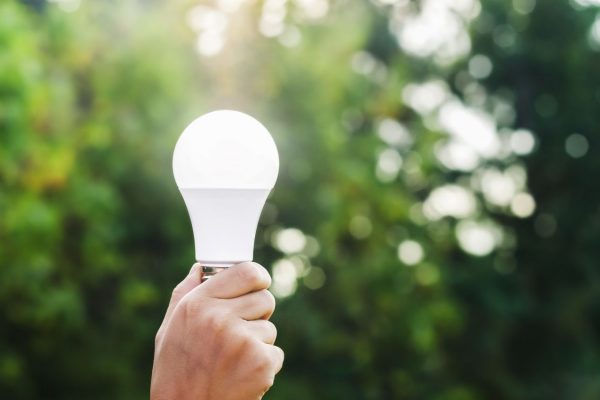
Outdoor solar lights usually utilizes LED bulbs. They apply less power than incandescent bulbs and, with a lifetime of around 20 years, are much longer-lasting. Until lately, solar lights overall has not been as bright as lighting powered straight by direct current electrical energy. But the earliest super bright LEDs can at present illuminate as well as halogen bulbs.